
No Lexington County Warrant Lookup
No official Lexington County public active warrant search was located in the county research. The official Sheriff's public P2C tool is an inmate inquiry, not a warrant list. That matters because a person can have an outstanding warrant before any jail booking appears, and a warrant can be sealed, pending, from a municipal court, or not tied to a public case detail screen.
The first official phone path is the Lexington County Sheriff's Judicial Services Warrant Division. Call 803-785-2499 during business hours. If the issue needs law-enforcement coordination after hours, the Sheriff's instructions point to the communications center at 803-785-2521. If the possible warrant is tied to a city ticket, missed municipal court date, magistrate matter, or Family Court order, the issuing court is also part of the search path.
Important: Do not rely on third-party warrant sites for Lexington County active warrants; use the Warrant Division and issuing court.
The Sheriff's Judicial Services page is the source for Lexington County Warrant Division contacts.
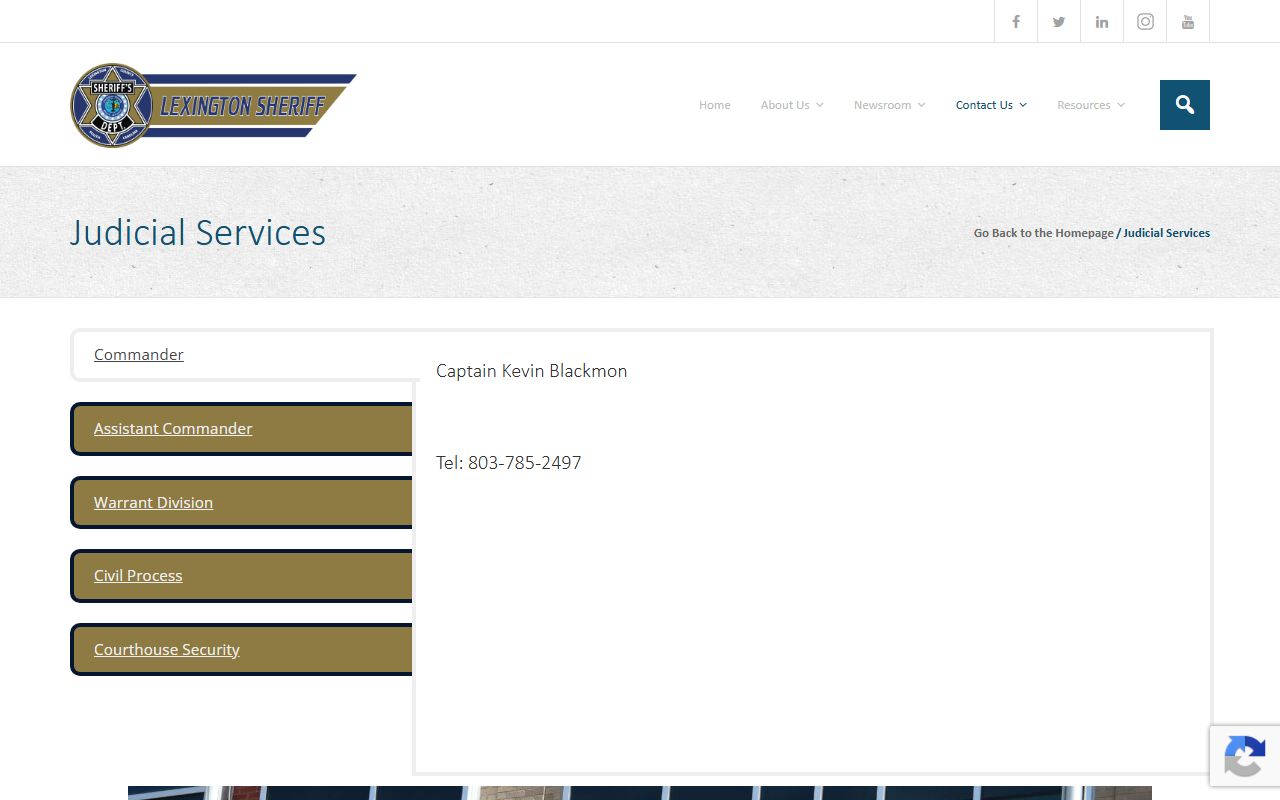
That office serves the official role that a public online Lexington County warrant database would otherwise fill.
Lexington County Warrant Division
The Sheriff's Warrant Division tracks and serves warrants after a judge or magistrate issues them. Its work includes locating wanted persons, serving arrest warrants, coordinating extraditions, and working with investigators, the Fugitive Unit, and SWAT for high-risk service. Judicial Services also serves subpoenas, civil papers, Family Court bench warrants, evictions, executions, liens, and judgments, so not every paper served by the unit is a criminal arrest warrant.
The office is based at the Sheriff's complex at 521 Gibson Road in Lexington. Judicial Services contacts listed in the research include Captain Kevin Blackmon at 803-785-2497 and Lt. Teddy Xanthakis at 803-785-2502. The direct Warrant Division number remains the key search and resolution number: 803-785-2499. Sheriff Jay Koon's 2024 Annual Report says Judicial Services resolved more than 3,400 arrest warrants in 2024, which shows the division is an active service unit rather than a passive records desk.
Lexington County Sheriff's Department
521 Gibson Road
Lexington, SC 29072
803-785-2499 Warrant Division
803-785-2521 after-hours communications
The Sheriff's headquarters page documents the Gibson Road law-enforcement complex and division contacts.
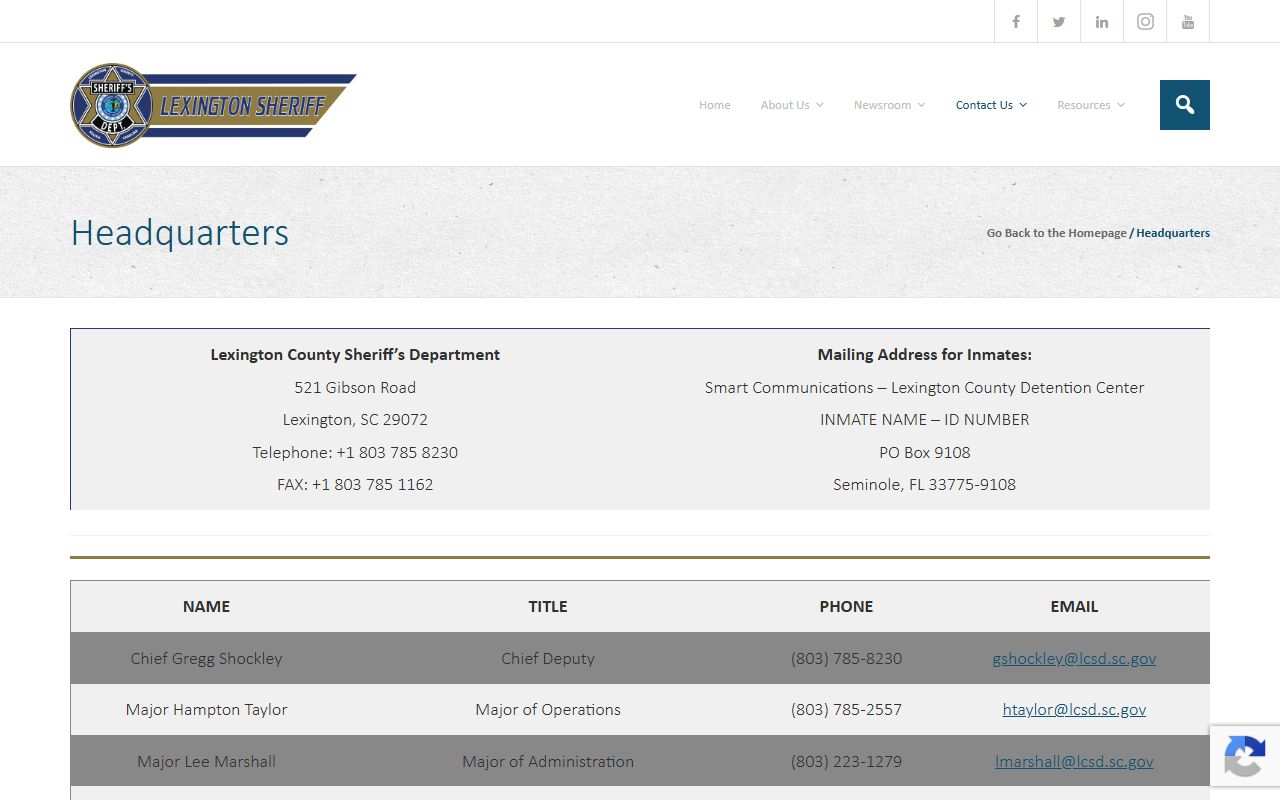
That location is separate from the Judicial Center where many court records are kept.
Lexington County Warrant Sources
A full Lexington County warrant check depends on where the order began. Magistrate Court can issue arrest and search warrants and handles bail and preliminary hearings. Municipal courts may issue bench warrants for missed city court dates, ordinance matters, traffic citations, or failure to comply with a court order. Family Court bench warrants are served through Sheriff's Judicial Services, while General Sessions criminal cases may show related case history in the Public Index after filing.
| Source | Common Warrant Link | Where to Check |
|---|---|---|
| Sheriff Warrant Division | Service and apprehension of active warrants | 803-785-2499 or 521 Gibson Road |
| Magistrate Court | Arrest/search warrants, bail, preliminary hearings | Correct magistrate office or Bond Court |
| Municipal Court | Missed city court, traffic, ordinance matters | Municipal court listed on the ticket or notice |
| Family Court | Family Court bench warrants | Clerk of Court or Family Court case path |
| General Sessions | Felony or higher-level criminal case history | Public Index, Clerk, or Solicitor |
The South Carolina Magistrate Court jurisdiction statute supports the magistrate warrant and bail role.
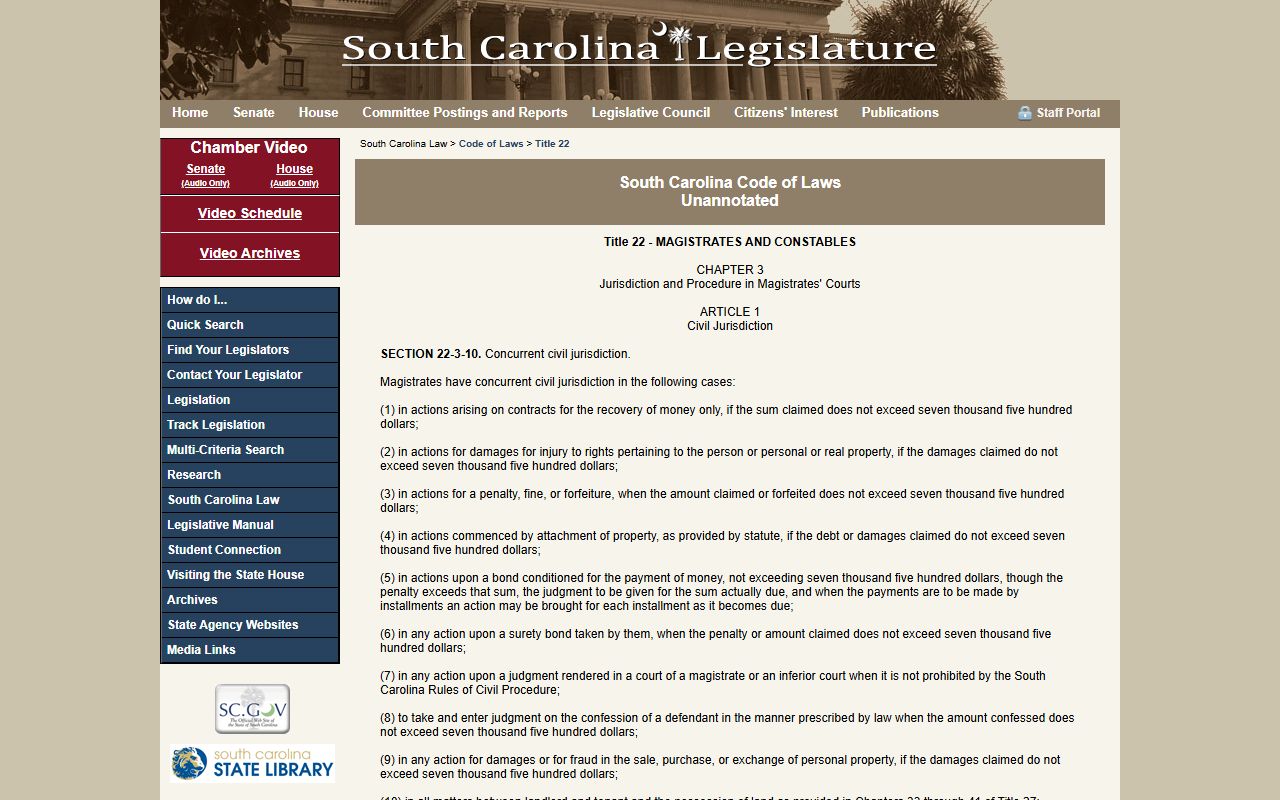
For a municipal ticket or city ordinance case, the municipal court must be checked even when no countywide warrant result appears.
Types of Lexington County Warrants
Lexington County warrant records do not all mean the same thing. An arrest warrant is tied to a criminal accusation and may lead to booking, bond, and a later court case. A bench warrant is issued by a judge, often after missed court, contempt, or failure to obey an order. A search warrant authorizes law enforcement to search or seize property and may be sealed or unavailable around the time it is used. Family Court bench warrants can be tied to domestic or support orders, and fugitive or extradition matters can involve transport between jurisdictions.
- Arrest warrant
- A court order authorizing law enforcement to arrest a person accused of an offense.
- Bench warrant
- A judge-issued warrant often tied to missed court, contempt, or failure to comply.
- Search warrant
- A judge's order allowing a search or seizure, often with limited public access.
- Family Court bench warrant
- A warrant tied to Family Court enforcement and served by Judicial Services.
- Extradition warrant
- A warrant or process used when a wanted person must be transported between jurisdictions.
The domestic-abuse protection statute is one example of a court process that can intersect with Family Court and law enforcement.
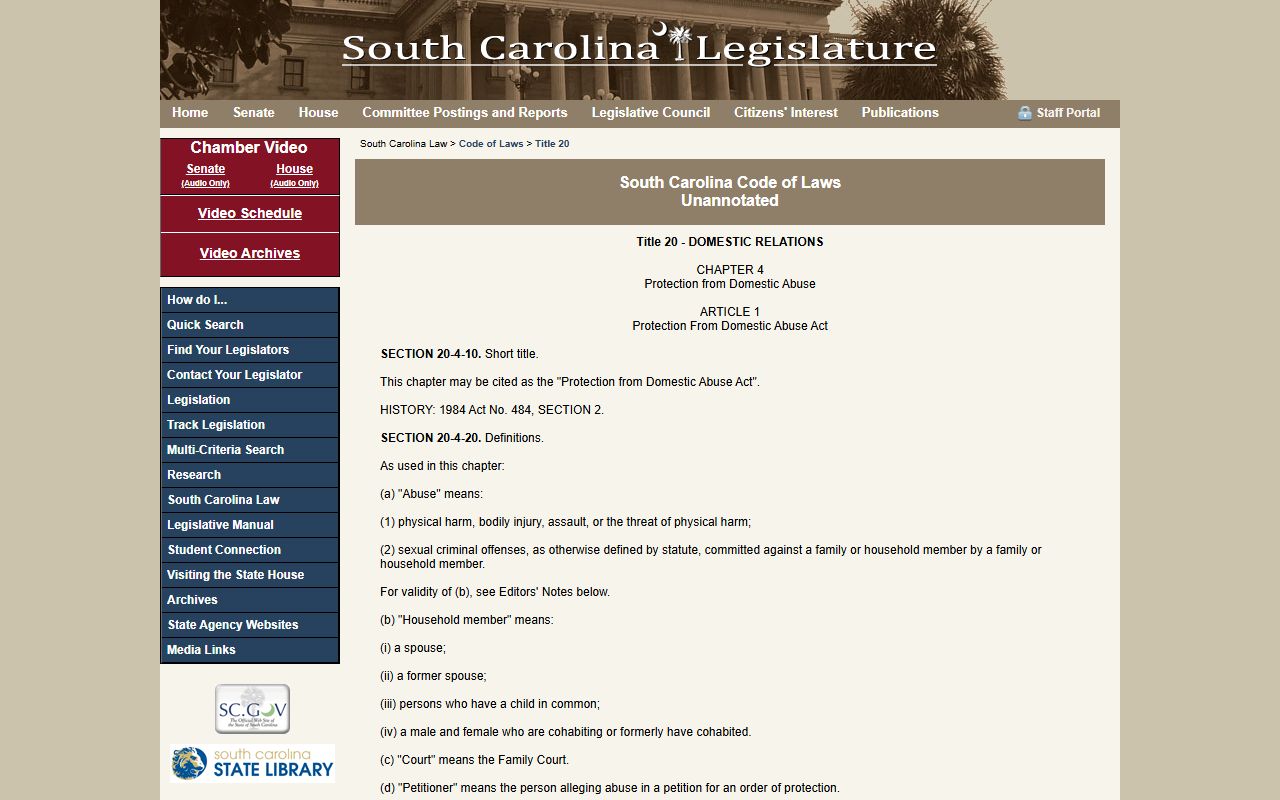
Protection-order records may have sensitive details, so public access can differ from ordinary criminal case access.
Resolve Lexington County Warrants
The safest official path is to confirm the source before appearing in person. A city bench warrant may require the municipal court. A magistrate warrant may involve Bond Court or the magistrate office. A General Sessions case may require review of the Lexington County criminal court record, contact with defense counsel, and communication with the Solicitor or Clerk. If a person has already been booked, the Sheriff's P2C inmate inquiry may show the primary charge, arrest date, and booking agency, but it does not prove final guilt or the final court outcome.
- Call Lexington County Sheriff's Warrant Division at 803-785-2499 during business hours.
- Use 803-785-2521 after hours only when immediate law-enforcement coordination is needed.
- Check the municipal court if the issue began with a city citation, ordinance case, or traffic matter.
- Check the magistrate court or Bond Court if the issue began in summary court or after arrest.
- Search Public Index for related public case history when a criminal or civil case has opened.
- Consult counsel before appearing if custody, bond, extradition, or new charges are possible.
Note: A warrant may not appear online if it is sealed, pending, from another court, or not yet reflected in a public case file.
Lexington County Warrant Record Fields
Because no public Lexington County warrant search form was found, there is no official public field table for active warrants. The useful fields come from the Warrant Division, the issuing court, the Public Index if a related case is public, and P2C after booking. A warrant number was not captured from a public online source in the research, so it should not be treated as a field a user can always search online.
| Field | Likely Official Source |
|---|---|
| Name | Warrant Division, issuing court, or P2C after arrest |
| Charge or offense | Court warrant, Public Index case, or P2C primary charge after booking |
| Issuing court | Magistrate, Municipal, Family Court, or Circuit Court depending on warrant type |
| Case number | Public Index or court file when the related case is public |
| Bond | Bond Court, detention record, or court case after arrest |
| Arrest date | P2C inmate inquiry after booking |
| Booking agency | P2C inmate inquiry after booking |
| Warrant number | Not captured in a public online Lexington County source |
The Sheriff's FAQ page is one official source for public-safety contact guidance.
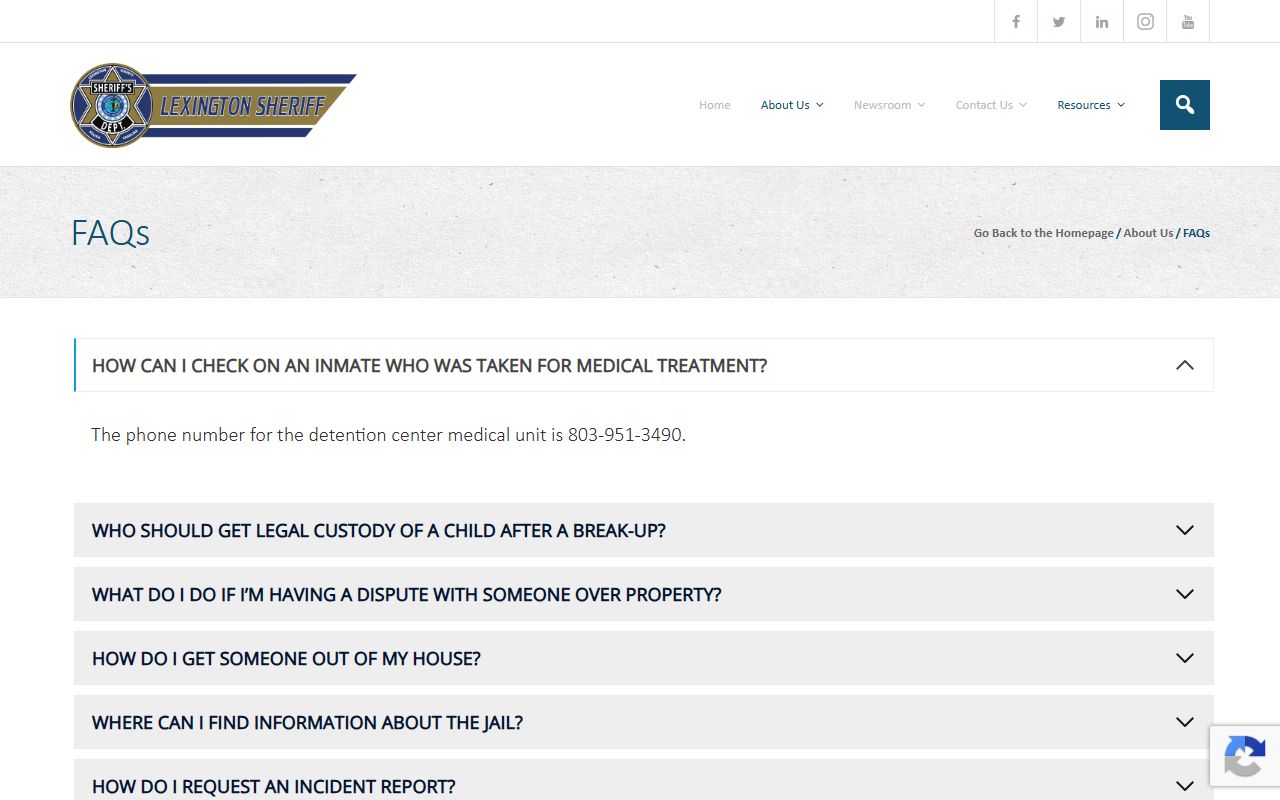
FAQ and contact pages help confirm an official channel before a person shares personal information by phone.
Lexington County Warrant Limits
Warrant searches have limits because active law-enforcement records can be restricted. Search warrants may remain sealed. Juvenile matters and some Family Court material are confidential. Public Index may show a related criminal or traffic case but not the warrant itself. The Sheriff's inmate inquiry can show custody data only after a person is booked into Lexington County detention, so it is a later-stage record rather than an active warrant search.
Scam risk is real in warrant and bond topics. Official Lexington County materials warn about callers who claim an arrest or missed jury duty warrant exists and then ask for money or personal data. A real official check should use published numbers, court contacts, or in-person records counters. Do not give a birth date, Social Security number, card number, or payment to an unknown caller who creates fear of arrest.
Public access also depends on timing. Before arrest, an active warrant may be known to law enforcement and the issuing court but absent from a public case screen. After arrest, the P2C inmate inquiry may show custody fields. After filing, Public Index may show a related case number, parties, actions, and disposition. Those stages are linked, but they are not the same record.
The South Carolina expungement and diversion statute chapter affects some records after eligible cases are resolved.
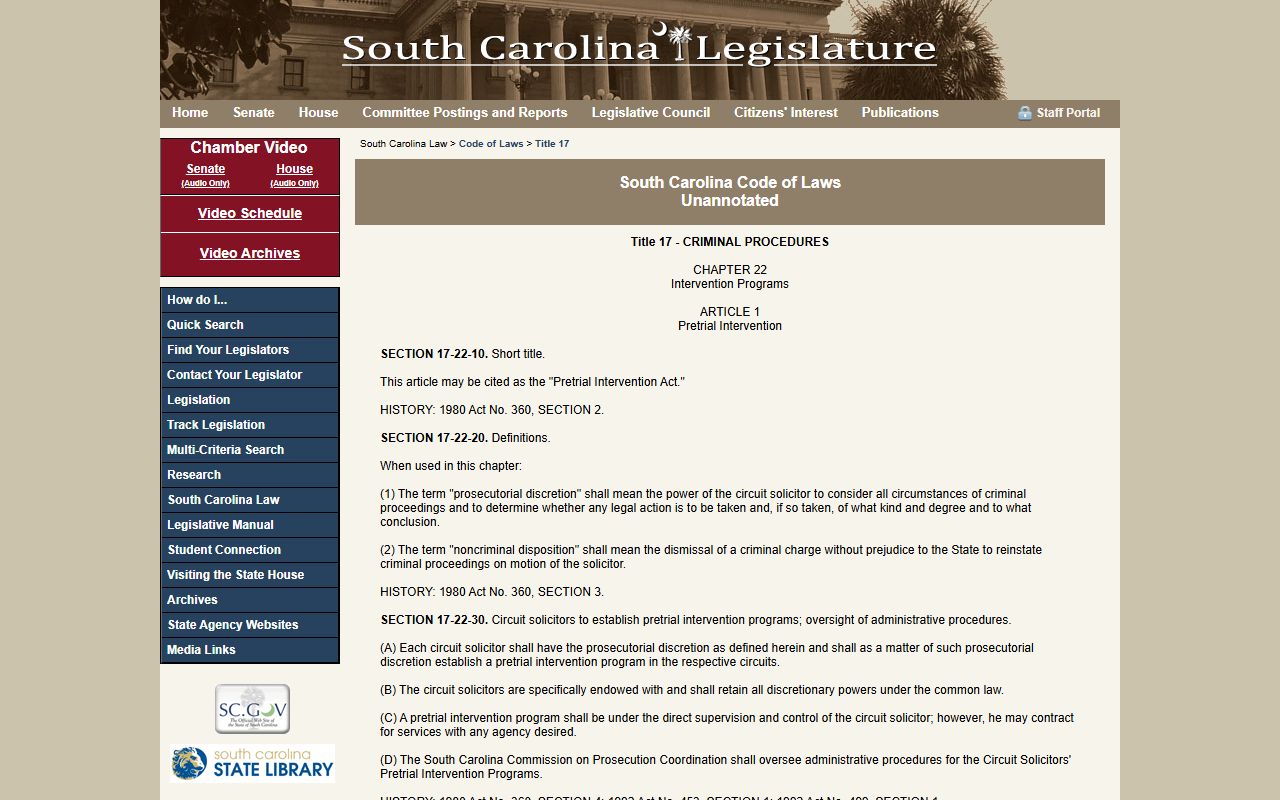
Expungement is not a warrant-clearance tool by itself; it is a later court-record process for eligible outcomes.